Source Corn Sheller for Corn, Maize, and Grain Processing
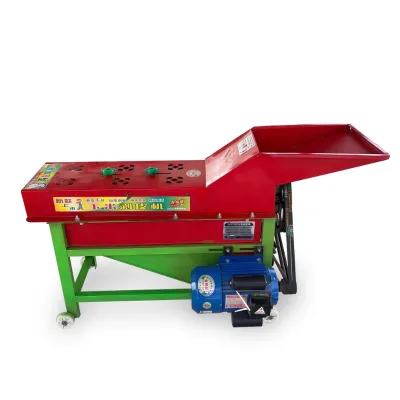
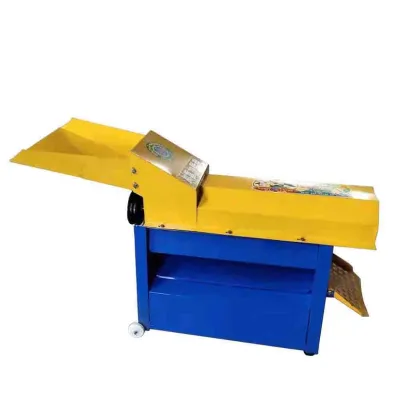
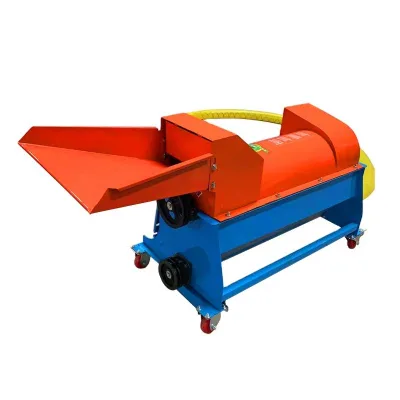
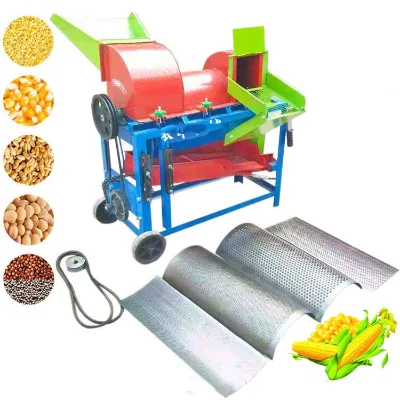
Source 30 corn sheller options for manual and electric threshing. Compare models like DJ-160 and VX-Corn-Sheller with varying weights, voltages, and outputs to find the right fit for your agricultural needs; compare the available evidence and request quotations based on your requirements.
Key considerations
Products List

$600.00 - $1200.00
Moq: 1



$44.00 - $46.00
Moq: 50




Comprehensive Sourcing Guide
Corn Sheller Sourcing Guide
The global market for corn shellers presents a diverse range of equipment, from manual handheld units to heavy-duty industrial threshers. Buyers must distinguish between these categories based on their specific operational scale and crop volume requirements. The observed product landscape includes models designed for small-scale farming, such as the 3.5kg to 7kg manual units, alongside larger horizontal machines capable of processing corn maize with significant hourly output. Understanding this spectrum is the first step in aligning procurement with actual agricultural needs.
Procurement decisions should be grounded in the specific structural and functional attributes observed in current listings. While some units feature vertical structures suitable for compact spaces, others utilize horizontal configurations for higher throughput. The application is consistently identified as corn threshing, yet the power sources vary from manual operation to electric motors operating at 220V. Buyers must carefully evaluate whether their workflow requires a portable, lightweight solution or a stationary, high-capacity machine to ensure the selected equipment matches their production goals.
Product Scope and Observed Listing Signals
Current market listings reveal a wide variance in product specifications, including distinct model identifiers like DJ-160 and VX-Corn-Sheller. These designations often correlate with specific physical dimensions and weight capacities, ranging from lightweight 3.5kg units to heavier 52kg or 160kg industrial machines. The observed price range spans from $6.50 to $3,588, reflecting the disparity between simple manual tools and complex mechanized systems. Buyers should treat these figures as indicative of the broad market rather than fixed pricing for specific configurations.
Packaging and origin data provide critical context for logistics planning and cost estimation. Products originate primarily from China, with specific manufacturing hubs noted in Shandong Linyi and Henan. Packaging methods vary significantly, including standard cartons, wooden cases, and box packing, which directly impacts shipping costs and product protection during transit. The observed loss rate of 1% for certain models suggests a baseline for expected material waste, though this metric should be verified against the specific supplier's quality control processes before finalizing orders.
Technical Specifications to Verify
Dimensional and structural parameters are essential for ensuring the equipment fits within the intended operational environment. Listings indicate specific dimensions such as 900500850mm for larger units and 400*400mm feeder sizes for specific models. The structure is defined as either horizontal or vertical, a critical factor for installation layout and workflow efficiency. Buyers must verify that the physical footprint and feeder capacity align with their available space and the size of the corn cobs they intend to process to avoid operational bottlenecks.
Power requirements and core component quality determine the long-term reliability and performance of the machinery. Voltage specifications are listed as 220V for electric models, while manual units rely on human power. The core components often include engines, bearings, and motors, which are vital for sustained threshing operations. Additionally, the raw material is frequently identified as steel or iron, and surface treatments like spray-painting are used for corrosion resistance. Verifying the quality of these internal components is necessary to ensure the machine can withstand continuous agricultural use.
Compliance and Safety Documentation
Safety and regulatory compliance are paramount when importing agricultural machinery from international suppliers. The Harmonized System code 82055900 is cited for certain manual tools, which helps in classifying duties and ensuring proper customs clearance. However, buyers must confirm that the specific model they intend to purchase meets the safety standards of their destination country. Relying solely on the "International Standard Size" designation is insufficient; specific electrical and mechanical safety certifications must be requested to mitigate liability and ensure operator safety.
Documentation regarding machinery performance and testing should be explicitly requested to validate product claims. Some suppliers indicate that machinery test reports are provided, which serves as a crucial verification tool for performance metrics like output capacity. For electric models, the warranty period is typically listed as one year, offering a baseline for after-sales support. Buyers should ensure that these reports and warranty terms are clearly defined in the purchase agreement to protect against potential equipment failures or performance discrepancies upon delivery.
Cost Drivers and Commercial Terms
Pricing and minimum order quantities (MOQ) are the primary commercial variables influencing the total cost of ownership. The observed MOQ ranges from 1 unit to 600 units, with some specific listings citing an MOQ of 1200 pieces for certain manual models. This variance suggests that buyers can source single units for testing or small farms, while larger agricultural operations may need to negotiate bulk pricing. The significant price range observed indicates that cost is heavily driven by the complexity of the machine, its material composition, and the included features like custom logos or specialized packing.
Supply chain logistics and production capacity also play a significant role in the final commercial terms. Suppliers report production capacities ranging from 1500 to 2000kg per hour for industrial units, with a supply ability of 1000 sets per month for corn shellers. These figures help buyers assess the supplier's ability to meet large-scale demand without significant delays. Additionally, the availability of free samples allows buyers to evaluate product quality before committing to a larger order, reducing the financial risk associated with initial procurement decisions.
Supplier Qualification and Quality Control
Supplier location and manufacturing capability are key indicators of reliability and logistical efficiency. The majority of observed products originate from China, specifically from regions like Shandong Linyi and Henan, which are known agricultural machinery hubs. Buyers should verify the specific production capacity and facility details of the supplier to ensure they can consistently meet order volumes. The presence of core components like engines and motors suggests a level of manufacturing sophistication that should be backed by a robust quality control system.
Quality assurance processes, including surface treatments and material standards, must be rigorously evaluated. Products are described as having spray-painted or painted surfaces and are constructed from steel or iron, which are standard for durability. However, the "International Standard Size" and specific packing requirements like wooden cases or cartons must be confirmed to prevent damage during shipping. Buyers should request evidence of the supplier's quality control measures, such as the provided machinery test reports, to ensure that the finished product meets the expected performance and safety standards.
Long-Term Procurement Checks
Sustainable procurement requires a focus on after-sales support and the availability of replacement parts. The standard warranty period observed is one year, which covers potential defects in core components like motors and bearings. Buyers should clarify the scope of this warranty and the process for claiming repairs or replacements to ensure minimal downtime during the threshing season. A clear understanding of the warranty terms is essential for managing long-term operational risks and maintaining the efficiency of the agricultural equipment.
Customization options and branding capabilities offer opportunities for buyers to tailor equipment to their specific needs. Many listings indicate that customization is available, including options for customized logos and specific color schemes like green, black, or red. This flexibility allows buyers to align the equipment with their corporate identity or specific farm branding. However, buyers must verify the lead times and additional costs associated with these customizations to ensure they do not disrupt the procurement timeline or exceed the budget constraints.
FAQs
What is the weight of the DJ-160 corn sheller model?
The DJ-160 corn sheller model weighs 160kg. This heavy-duty unit features a horizontal structure and is designed for corn application. It operates on 220V voltage and meets international standard size requirements for industrial processing efficiency.
Can I customize the logo on the corn sheller?
Yes, you can customize the logo on the corn sheller. The product offers customized logo options alongside various color choices like green, black, or red. This flexibility allows buyers to brand the equipment according to their specific business identity needs.
What is the minimum order quantity for manual corn shellers?
The minimum order quantity for manual corn shellers is 1200 pieces. These units are available in weights ranging from 3.5kg to 7kg and come with wooden case or carton packing. Buyers should note this specific MOQ when planning bulk procurement.
Which specifications are available for the 5kg corn sheller?
The 5kg corn sheller is available with a 5kg specification and comes in a box packing format. It features a vertical structure and is made of iron material. This model is suitable for manual corn threshing operations with a wooden handle.
How is the corn sheller packed for international shipping?
The corn sheller is packed in a wooden case or standard carton depending on the model. Some units follow international standard size dimensions while others use specific packing like 86x30x67cm. This ensures safe transport from the origin in China to global destinations.
What is the production capacity of the industrial corn sheller?
The industrial corn sheller has a production capacity of 1500 to 2000kg per hour. It is supplied with a monthly ability of 1000 sets and includes core components like engines and motors. This high output supports large-scale corn maize threshing requirements effectively.
Where is the corn sheller manufactured and what is the warranty?
The corn sheller is manufactured in Henan, China, with some models originating from Shandong Linyi. It comes with a 1-year warranty and includes a machinery test report. Buyers can rely on these quality assurances for their agricultural machinery investments.